Historic Telescope Trail: Culture & Science
Explore the famous telescope building and its surroundings. A 2-mile route with moderate slopes, rest shelters, and water fountains.
Where History Meets the Stars
The telescope trail isn't just a walk — it's a journey through centuries of Irish scientific achievement. Built in the 1840s, Birr Castle's telescope was the most powerful in the world at the time. Walking this route, you're literally treading the same paths where astronomers made discoveries that changed our understanding of the universe.
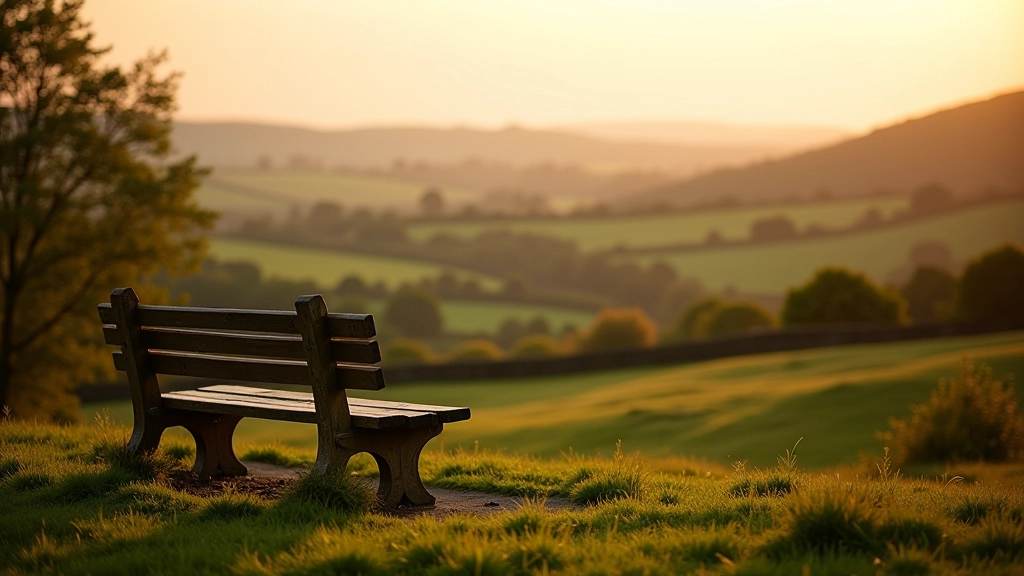
You'll notice the landscape itself tells the story. The rolling terrain, the ancient trees, the carefully positioned structures — everything was designed with purpose. The walk takes about 2 hours at a relaxed pace, though you're welcome to linger. There's plenty of seating along the way, water fountains, and the path's moderate slopes mean it's accessible without being trivial.
The Main Telescope: A Monument to Ambition
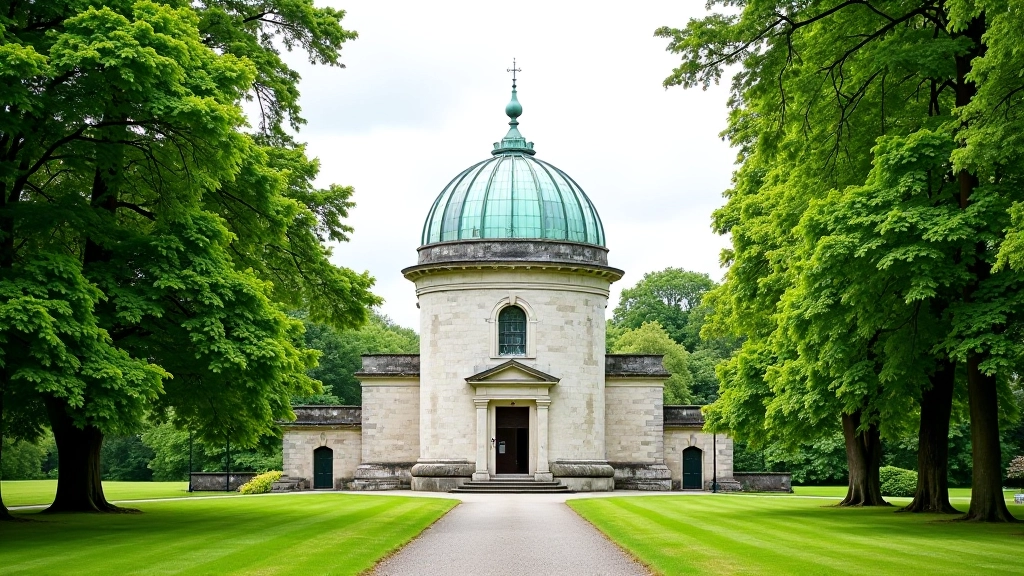
When you first see the telescope structure, it's hard not to be impressed. The sheer scale of it — 72 feet tall with a 36-inch reflector — tells you immediately that this wasn't a casual hobby. The Earl of Rosse didn't just want to observe the stars; he wanted to see further than anyone had ever seen before.
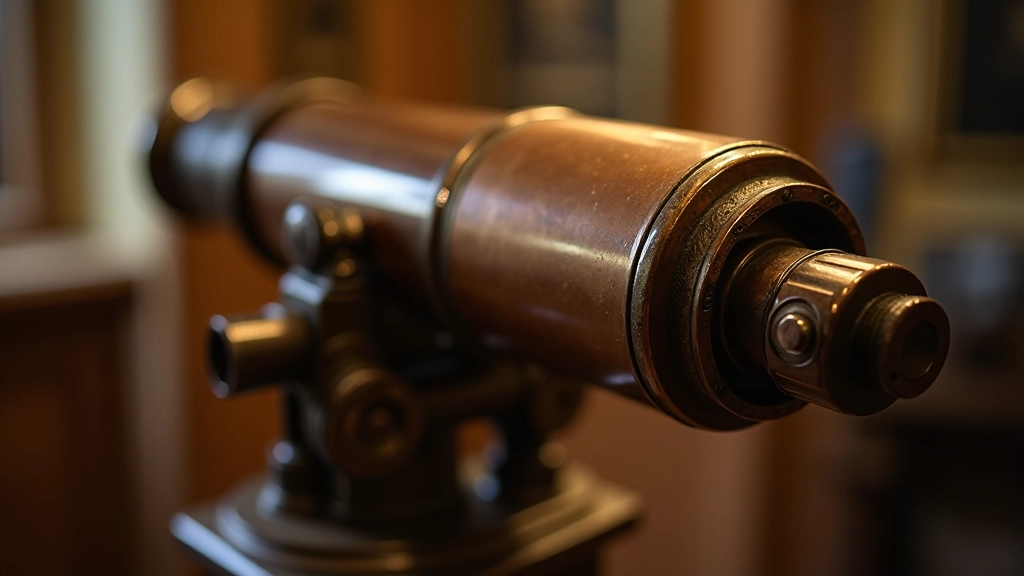
What's remarkable is how much of the original mechanism still functions. You'll see the iron framework, the grinding equipment, the mirrors. There's a small museum space where you can learn about the actual discoveries made here — including the first detailed observations of nebulae and galaxies. It's one thing to read about history; it's another to stand beneath the instrument where it happened.
"The largest telescope in the world for 70 years. This wasn't just Irish engineering — this was world-leading science."
— Local historian
About This Guide
This guide is intended for educational and informational purposes only. Walking conditions, opening times, and accessibility features may change seasonally or due to maintenance work. We recommend contacting Birr Castle directly before your visit to confirm current conditions, facilities, and any guided tour availability. Always follow posted signs and respect any areas that may be temporarily closed. Individual fitness levels vary — assess the route carefully based on your own abilities.
The Route: What You'll Experience
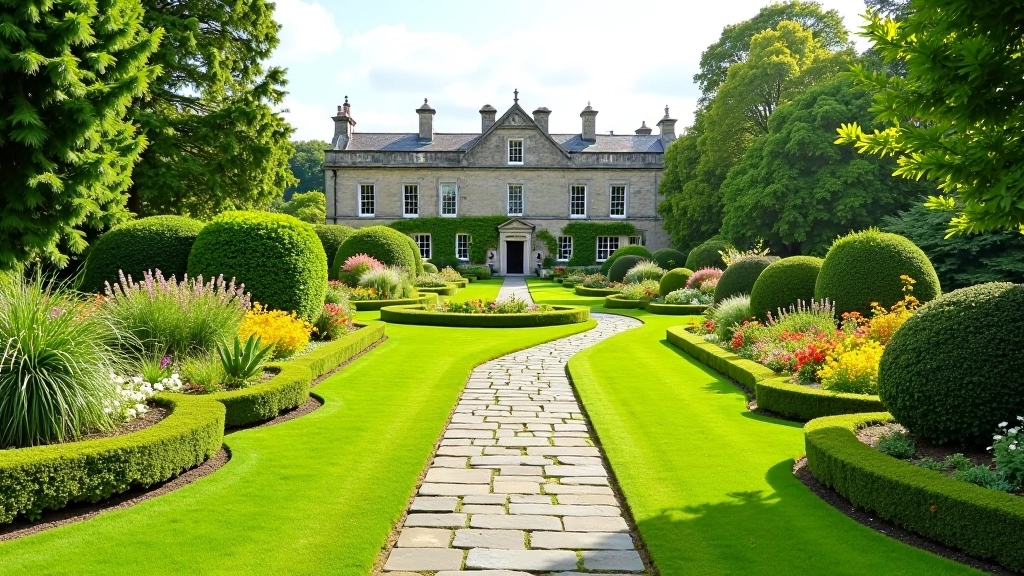
The walk itself is beautifully laid out. You'll start near the castle entrance and follow marked pathways through the demesne. The first section is relatively flat, taking you through formal gardens and past the telescope building. This is where you'll spend time exploring — don't rush it. The museum and telescope viewing area deserves a good 45 minutes.
Formal Gardens Entry
Flat, easy section through landscaped gardens. Good orientation point. About 15 minutes.
Telescope Precinct
The main attraction. Museum, viewing area, interpretive panels. Spend 45 minutes here minimum.
Woodland Loop
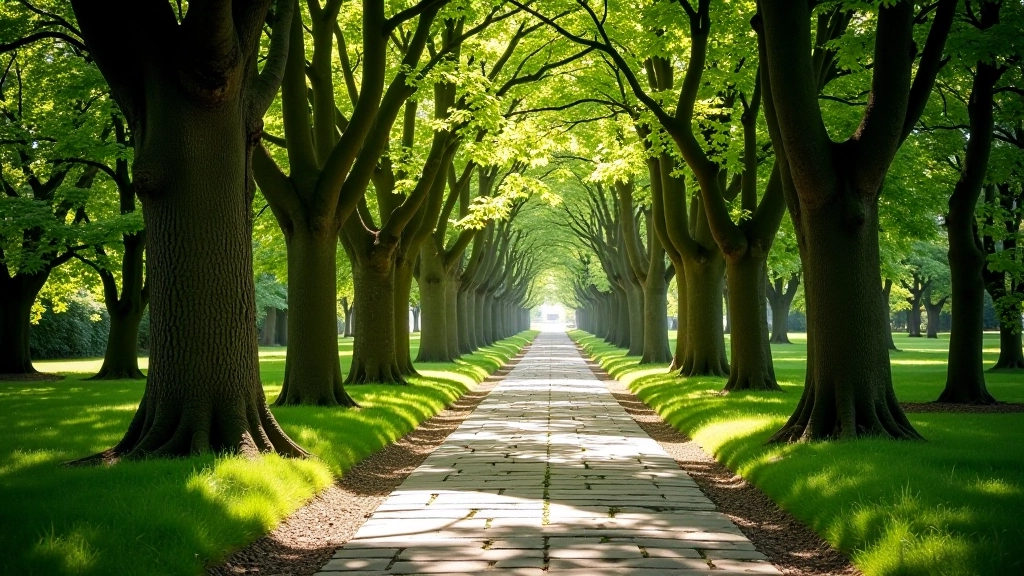
Moderate incline through native trees. Shaded, peaceful. Rest shelter halfway. About 30 minutes.
Return Path
Descending back toward gardens. Final water fountain before exit. About 20 minutes.
Practical Details That Matter
Here's what we've learned from dozens of walks here: wear proper shoes. The paths are maintained well, but they're not paved. After rain, there's mud. Bring a light jacket even on warm days — the woodland section stays cool. The water fountains work reliably, but don't depend on them; bring your own bottle.
There's a rest shelter about halfway through the woodland section. It's genuinely useful if you need a 10-minute break. The museum has seating inside too, which is handy if you want to sit while reading the interpretive panels. Bathrooms are located at the main castle building, so plan accordingly.
Why This Walk Stands Out
It's not just exercise — it's an education in Irish science and landscape history
Living History
You're walking around an actual working piece of scientific equipment. Not a replica. Not a museum mock-up. The real telescope that made real discoveries.
Mixed Terrain
Formal gardens, woodland, open meadow. Variety keeps things interesting and prevents monotony over a 2-mile walk.
Well Maintained
Clear signage, maintained paths, water fountains, rest shelters. This isn't a rough hike — it's a civilized walk.
Interpretive Panels
Information boards explain what you're seeing. You don't need a guide — the trail teaches you as you walk.
Open Year-Round
Spring bluebells, summer shade, autumn colors, winter clarity. Each season offers different perspectives of the landscape.
Photography Opportunities
The telescope structure against sky, woodland paths, architectural details. It's genuinely photogenic at different times of day.
Accessible Pace
The moderate difficulty means it's not trivial, but it's not punishing either. Seniors with reasonable fitness handle this comfortably.

Understanding the Science Behind the Telescope
The telescope was revolutionary for its time. A 36-inch reflector with a 7-foot focal length meant you could see details in space that nobody had ever observed before. The Earl of Rosse discovered the spiral structure of nebulae — something that wouldn't be fully understood for another 80 years.
What makes walking this trail meaningful is that you're literally standing where this happened. You're seeing the same structure, the same landscape, the same sky. The view hasn't changed fundamentally. It connects you to those early astronomers in a tangible way that reading about them simply doesn't achieve.
Planning Your Visit
This walk isn't just about getting exercise, though you'll definitely get that. It's about connecting with a piece of Irish scientific heritage that's genuinely world-significant. The telescope is still there. The landscape is still there. The discoveries made here still matter.
We'd recommend going in the late morning or early afternoon. You'll have good light for the telescope viewing, and the woodland section will be cooler. Bring water, wear proper shoes, and plan for about 2-2.5 hours total. Don't rush. This is a walk meant for lingering and thinking, not just ticking off miles.
The Historic Telescope Trail is proof that great engineering, great science, and beautiful landscape design don't have expiration dates. They're as compelling today as they were in the 1840s.