
Perfect for Warmer Days
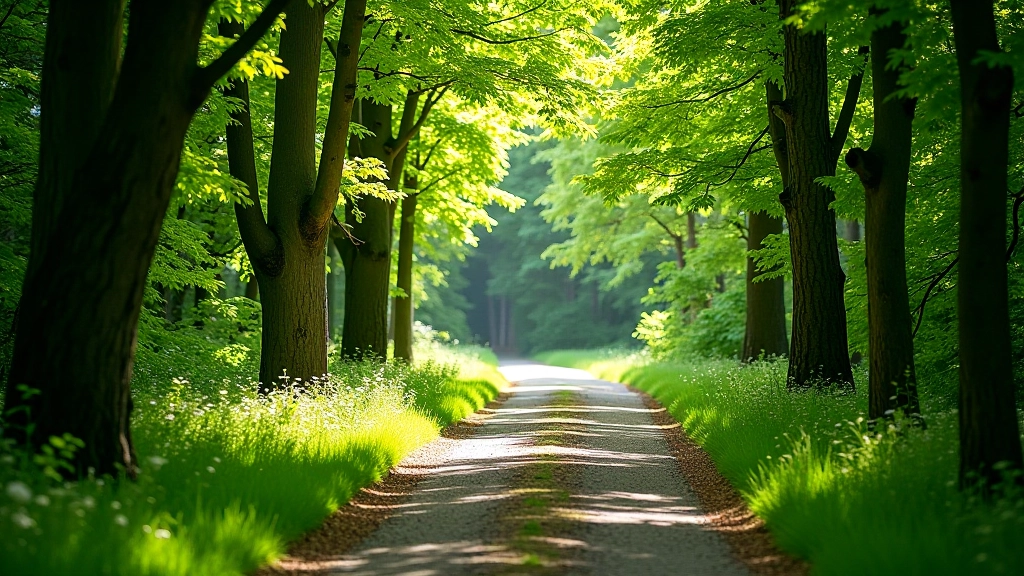
The Woodland Wander is one of Birr's best-kept secrets. You're walking under a dense canopy the entire time, which means you'll stay cool even on the warmest afternoons. The path is well-maintained and mostly flat — there's a gentle rise near the midpoint, but nothing steep or challenging.
What makes this route special isn't just the shade. It's the quiet. You'll hear birdsong, rustling leaves, and the occasional stream. On weekdays especially, you can walk for long stretches without seeing anyone else. If you're looking to escape the open fields and get into proper woodland, this is your route.
What You'll See Here
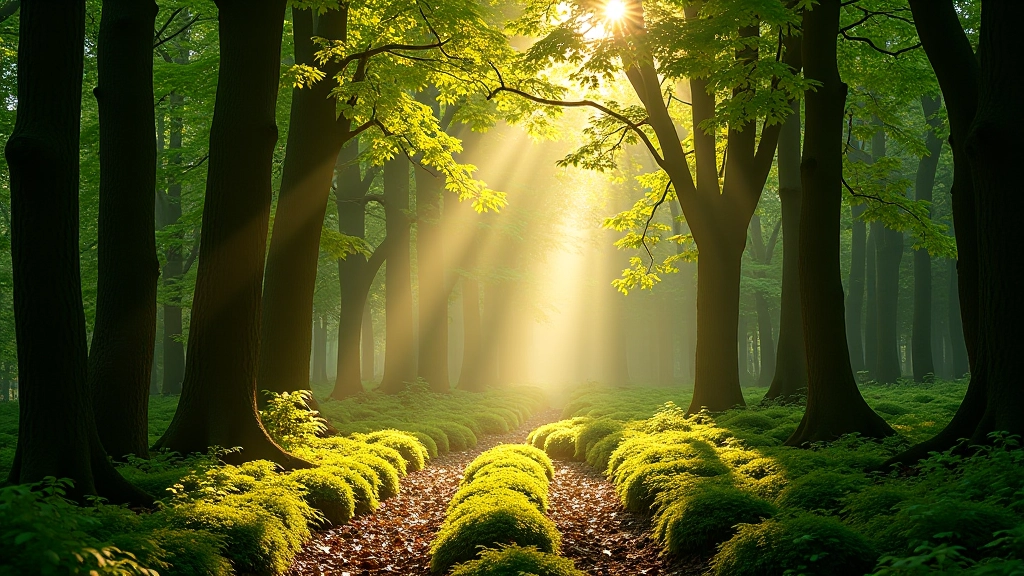
- Native Irish trees — mostly beech, oak, and ash. The beech cathedral section is stunning in autumn.
- Wildlife: red squirrels (common here), fallow deer, various birds including woodpeckers and nuthatches.
- Seasonal wildflowers — bluebells in May, wild garlic in spring, various fungi in autumn.
- A small stream crossing (bridged, so no wading) that's especially pretty after rain.
Before You Go
This guide provides educational information about the Woodland Wander route. Conditions vary seasonally — paths can be muddy in winter and wet weather, roots and uneven ground require attention, and wildlife should be observed from a distance. Always check weather forecasts, bring appropriate footwear, and consider your own fitness level. If you have mobility concerns or health conditions, consult with your healthcare provider before undertaking any walking activity.
Route Overview & Terrain
The walk starts from the car park near the castle estate entrance. From there, you'll head into the woodland proper within about 100 metres. The path widens into what feels like a proper woodland trail — not narrow or overgrown, but genuinely peaceful.
The terrain is your typical woodland ground: a mix of dirt, leaf litter, and exposed roots. It's mostly firm underfoot, especially in dry weather. There are a few patches where water pools after rain, but they're easily sidestepped. The route loops, so you're not retracing your steps on the return — it winds through different sections of the woodland before bringing you back to the starting point.
Total distance is 2.2 miles. At a comfortable pace, you're looking at 45 minutes to an hour. There's no rush here. You'll want to stop and listen, maybe spot some wildlife, possibly sit on one of the benches scattered along the way.

Wildlife & Nature
Red squirrels are the stars here. You'll likely spot at least one if you walk quietly and keep your eyes on the higher branches. They're quick, but they're curious — if you sit still for a few minutes, they might come closer. Don't feed them, just observe.
Fallow deer also inhabit these woods. They're more skittish than squirrels and usually disappear at the first sound of footsteps. Early morning walks in spring or autumn give you better chances of spotting them. The birds are constant — you'll hear far more than you see, but the woodland is genuinely alive with sound. Woodpeckers are common here; listen for the distinctive tapping sound.
Spring brings bluebells in patches, particularly around mid-May. If you visit then, you'll understand why locals keep this place quiet — it's magical. Autumn is equally special, with the beech trees turning golden and the forest floor carpeted in fallen leaves.
Practical Information
Footwear & Clothing
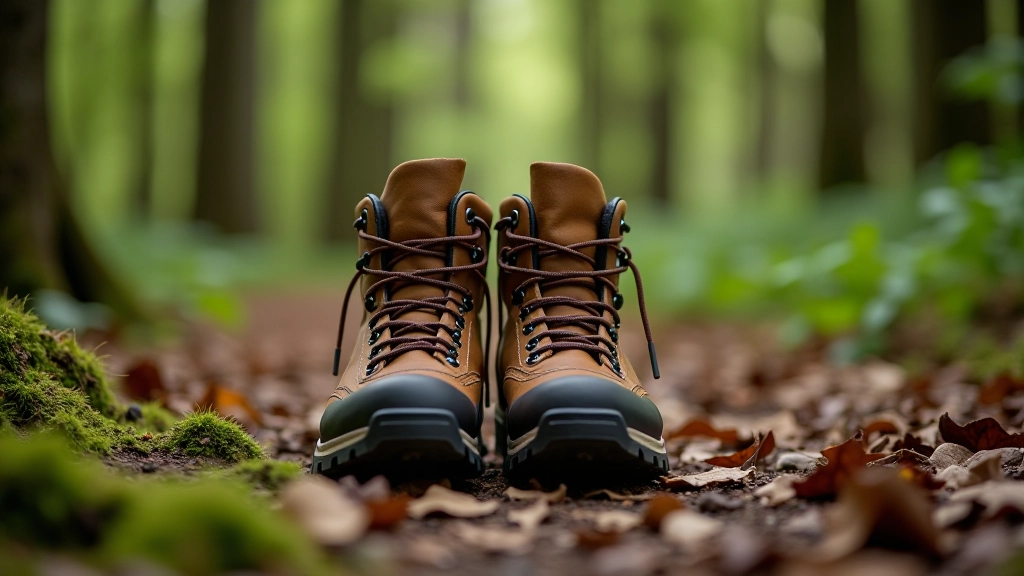
Proper walking boots or sturdy shoes are essential. Roots and uneven ground mean twisted ankles are a real possibility in trainers. Waterproof boots are ideal if there's been recent rain. The shade means you'll stay cool, but the ground can be damp even on dry days, so moisture-wicking socks are worth considering.
Timing & Crowds
Weekday mornings are quietest. Tuesday or Wednesday before 10 a.m., you'll likely have the woodland mostly to yourself. Summer weekends can get busier, though it's never crowded compared to other Birr walks. Evening walks in summer (6 p.m. onwards) are lovely — the light changes dramatically through the trees.
Weather Considerations
The dense canopy protects you from rain and direct sun, but ground conditions matter. Winter after heavy rain can make the path genuinely muddy. Spring is typically ideal — cool enough that you won't overheat, dry enough that the ground is firm. Don't walk alone if possible, especially on remote weekday afternoons.
Tips for Getting the Most Out of Your Walk
Bring Binoculars
Even basic binoculars make spotting birds easier. A small pair weighs nothing and opens up an entirely different level of observation. You'll start noticing species you'd otherwise miss.
Use a Field Guide App
Apps like iNaturalist or Merlin Bird ID let you identify what you're seeing in real-time. It transforms a walk into a learning experience. Screenshot anything interesting to remember later.
Walk Quietly
Wildlife detection is about silence. Leave the music at home. Walk slowly and pause regularly. You'll hear and see significantly more. The woodland sounds themselves are the soundtrack.
Download an Offline Map
Mobile signal is patchy in the woodland. Download the route onto Maps.me or similar beforehand. You won't need it often — the path is clear — but it's reassuring to have.
Why This Walk Works
The Woodland Wander isn't the longest route at Birr, and it's not the most dramatic. What it is, though, is genuinely restorative. There's something about being under a canopy of mature trees that shifts your perspective. You slow down. You notice things. The woodland itself becomes the destination rather than just a backdrop.
It's especially perfect if you've done some of the more open walks around the demesne and want a complete change of environment. After a few hours on the Scenic Overlook or the Historic Telescope Trail, the Woodland Wander feels like stepping into a different world. Quieter. Cooler. More private.
Go early, go quietly, and you might just have the forest to yourself. That's when the real experience happens.