Walking Guide
The Lower Demesne Loop: Easy Terrain & River Views
A gentle 1.5-mile route on flat ground. Takes about 45 minutes at a leisurely pace with benches every quarter-mile.
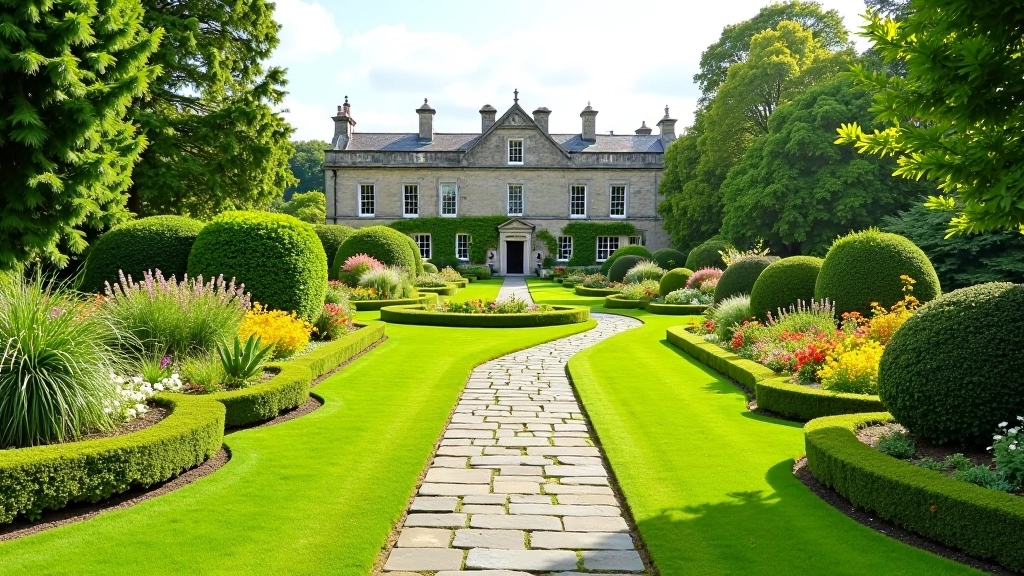
The Lower Demesne Loop is what we recommend when someone says they want to walk around Birr but aren't sure they can handle anything ambitious. It's flat, it's manageable, and honestly, it's one of the prettiest routes on the estate. You'll see the river, proper woodland, and some sections of the formal gardens that don't get as crowded as the main pathways.
What makes this walk special isn't the distance — it's the variety you get without the strain. In 45 minutes you're moving through three completely different landscapes. The route follows the old demesne boundaries, so you're walking on paths that have been used for generations. Plus, there's genuinely decent infrastructure. We're not talking about rough ground or tricky terrain here.
Distance & Time
1.5 miles total. Expect 40–50 minutes depending on pace and stops.
Difficulty Level
Flat throughout. Designed for all fitness levels and ages.
What You'll See
River views, formal gardens, woodland shade, and historic boundary walls.
Understanding the Route
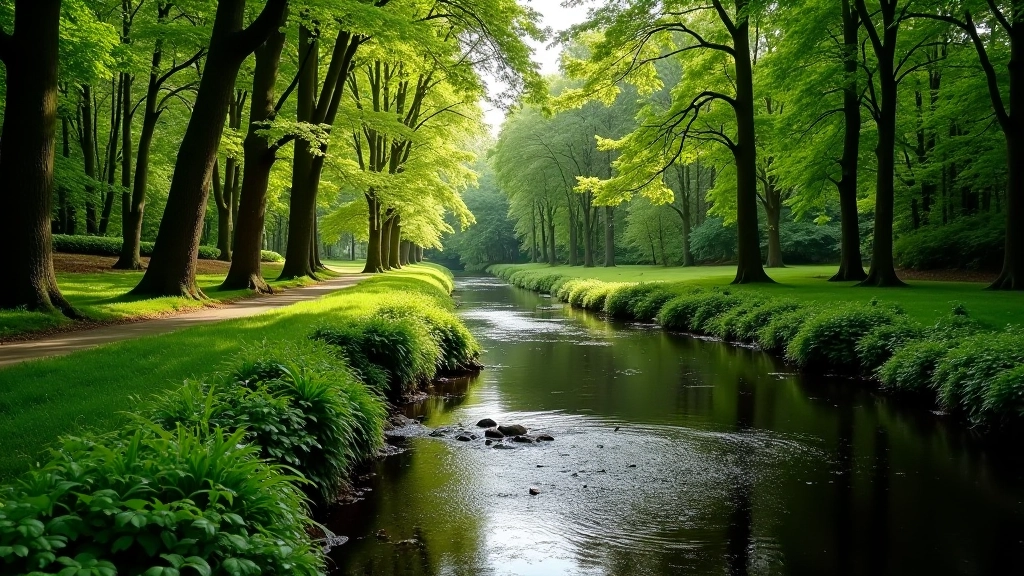
The walk starts at the main estate entrance. You'll head toward the formal gardens first — this is the most manicured section, with proper borders and specimen trees. After about 400 metres, the path opens onto the riverside section, where things get noticeably quieter. That's where you'll notice the Birr River on your left, moving pretty steadily depending on rainfall.
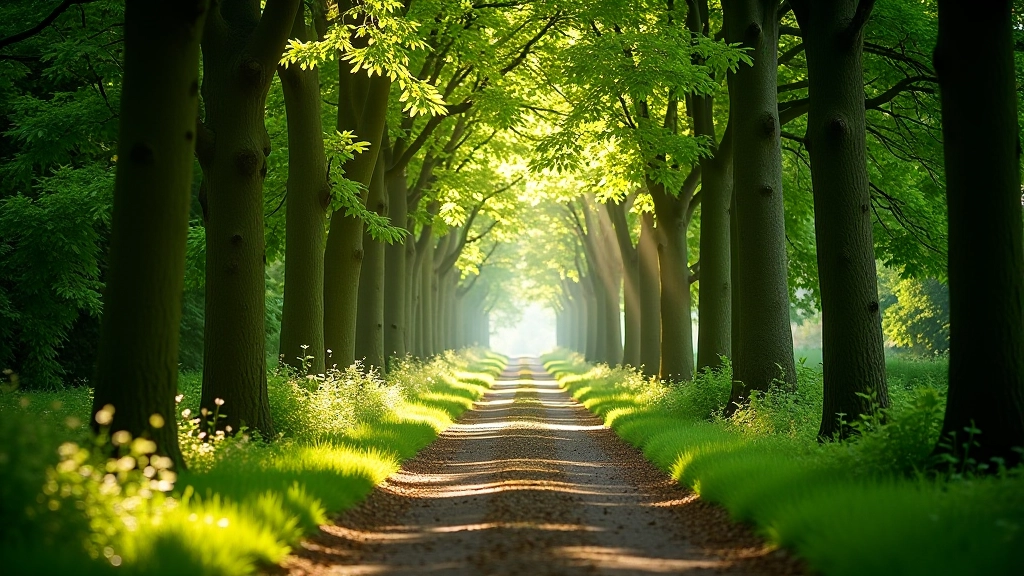
The middle section is genuinely peaceful. Tall trees provide shade even in summer, which is brilliant if you're walking during midday heat. The path surface here is gravel and compacted earth — firm enough that you don't need specialist hiking boots, but substantial enough that it won't turn to mud after light rain. Around the 1-mile mark, you'll hit the woodland section. It's denser here, more shaded, and the ground is actually easier underfoot because of years of leaf litter creating a natural cushioned surface.
The final quarter-mile curves back toward the starting point. You'll pass the old boundary wall — about 8 feet high, built from stone blocks in the 1700s. It's still standing strong, which is pretty remarkable. The path loops back to the main area, and you're done. No scrambling, no technical sections, no surprises.
Practical Information
Benches & Rest Points
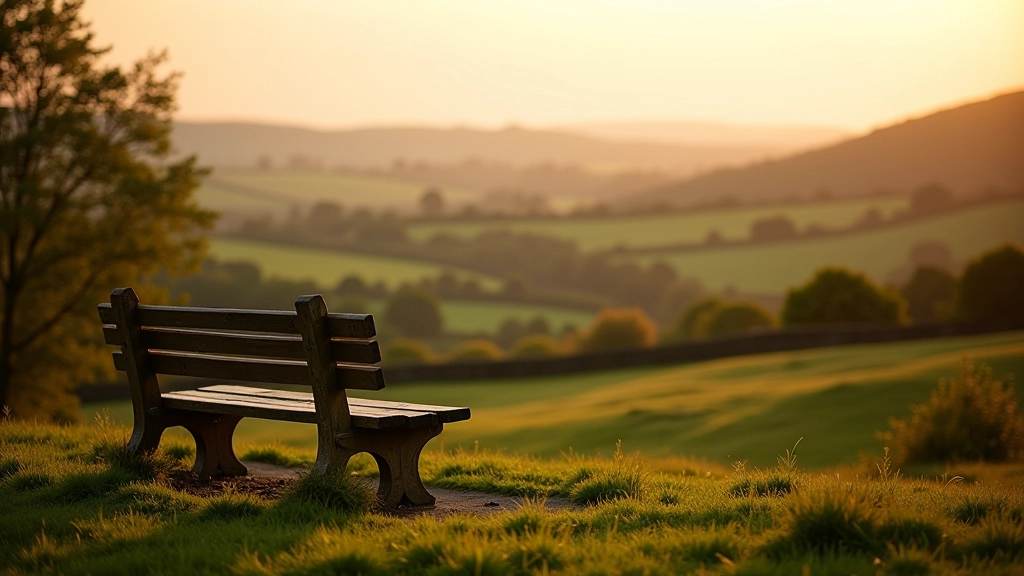
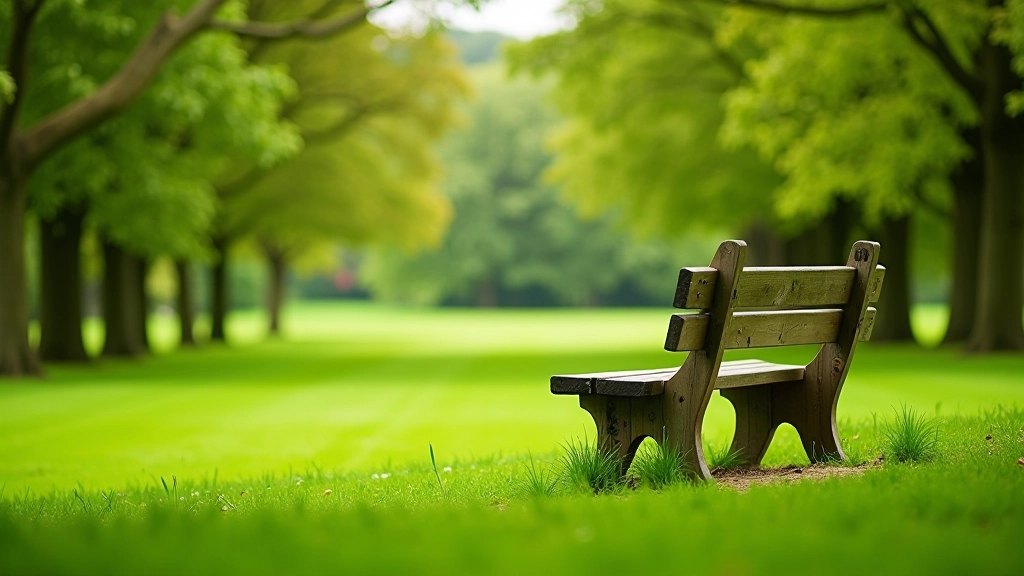
There are eight benches spaced around the loop — roughly one every quarter-mile. They're positioned at scenic points, not random locations. The best one overlooks the river directly. If you need to sit down more frequently, that's absolutely fine. The route isn't about pace. Take your time, enjoy the views, stop as much as you want.
Best Time to Visit
Spring and early summer are spectacular — the formal gardens are in bloom and the woodland canopy creates dappled shade. Autumn is equally nice if you like colour. Winter works too, though the path can be muddy after heavy rain. We'd avoid the route immediately after significant rainfall because the riverside section becomes waterlogged.
What to Bring
Proper walking shoes — nothing fancy, but something with decent grip. A light rain jacket because Irish weather changes fast. If you're going in summer, bring water. The estate doesn't have facilities along the route itself, so pack what you need. A camera's always worth having because the light through the trees creates stunning photographs, especially in late afternoon.
Important Note
This guide is informational. Route conditions can change due to weather, maintenance work, or seasonal changes. Before visiting, check the estate website or contact the visitor centre for current conditions and any temporary closures. Walking is an individual activity — assess your own fitness level and capability before undertaking any route. If you have mobility concerns or health conditions, consult with your doctor and consider walking with a companion.
What You'll Actually Experience
The formal gardens section is bustling. You'll see other visitors, families with kids, groups. It's pleasant but not serene. The riverside section is where the magic happens. The sound of the river becomes your constant companion, and the shade from the mature trees makes a real difference in how you feel physically. You'll likely encounter fewer people here — maybe another couple of walkers in an hour, depending on the day.
The woodland section is quiet. Really quiet. That's when you notice the birds. There's a healthy population of woodpigeons, blackbirds, and wrens. In spring you might hear a cuckoo. The air smells different here — earthy, damp, rich. If you've never spent time in proper woodland, you'll notice how your pace naturally slows down and your breathing becomes easier.
The route's gentle nature doesn't mean it's boring. There's something genuinely restorative about moving slowly through landscape that's been managed thoughtfully for centuries. You're not pushing yourself. You're just walking, and that's the whole point. Most people finish feeling energised rather than exhausted, which is exactly what we're aiming for.
Tips for Making the Most of It
1
Start Early or Late
Visit in early morning or late afternoon. You'll avoid crowds and the light is genuinely beautiful. Plus, wildlife is more active during these times.
2
Don't Rush the Riverside Section
Spend extra time here. This is the quietest part of the route. Sit on one of the benches and just listen. It's genuinely peaceful.
3
Bring a Friend
Walking with someone else makes it more enjoyable. Plus, having company is safer and you can share observations about what you're seeing.
4
Check Weather Beforehand
Irish weather's unpredictable. A rain jacket takes minimal space but makes a huge difference if conditions change mid-walk.
5
Wear Layers
You'll start cool in the formal gardens and warm up once you're moving. Layers let you adjust without stopping constantly.
6
Take Photos Mindfully
The river in particular photographs beautifully. But don't spend so much time capturing moments that you forget to actually experience them.